There are also plenty of us who have been given work devices that we can use in the office or at home, meaning we are always connected and available to work. But, every rose has its thorn and for all the benefits of remote working and increased connectivity, there are drawbacks people must overcome.
Perhaps the biggest danger to our well-being is digital burnout, with people being available to work for longer and more often than if they are based at home. There are ways we can avoid overexposure to work and avoid digital burnout.
What is digital burnout?
Digital burnout occurs when we are exposed to our screens for too long. Being forced or feeling compelled to stare at your screen for hours at a time can lead to workplace stress. This can manifest itself in various forms such as tiredness or exhaustion, anxiety, a loss of interest in your job or depression and loss of sleep.
Whether you work into the late evenings while at home, skip lunch or open your laptop at the weekends to check in, we are being overwhelmed by work through our digital devices. This can lead to mistakes and lapses in concentration which can range from falling forthe latest security vulnerabilitiesto being short-tempered with colleagues.
The dangers of always being switched on
Working flat out at any time can see us struggle to maintain momentum and eventually ourproductivitycan wane. The same is true of always being switched on and we need breaks from our screens and devices and time to clear our thoughts of anything work-related, even if just for a moment. There are several symptoms of digital burnout to look out for if you think you are in danger of too much screen time.
Feeling disconnected from your friends, family and coworkers
Increased feelings of anxiety, either socially or constantly worrying about work
Trouble getting to sleep or sleeping through the night
High and persistent levels of exhaustion
Reduced performance in the workplace or a lack of concentration
Heightened feelings of negativity towards work and trying to mentally distance yourself from it
A general lack of energy or motivation
Of course, these symptoms are not exclusive to digital burnout but experiencing them could be an indication that there is an imbalance in your life. Asking yourself if you are working too much or spending too much time staring at your screen is the first step towards finding a solution to the problem.
The risk of not taking time off
Credit: Alamy Stock
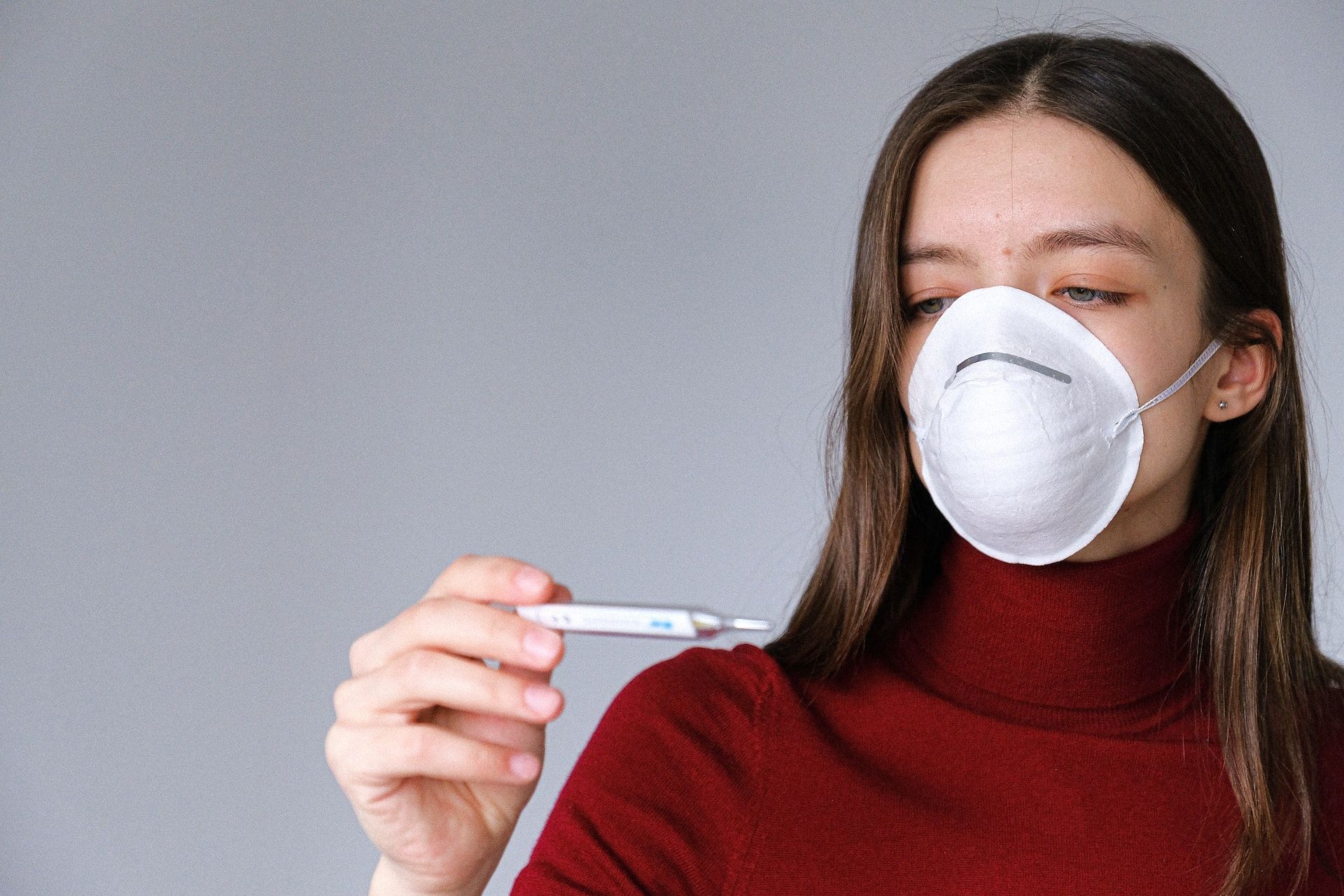
If you are sick, you are sick but there is a temptation to keep working when you have access to a work device. Sure, for mild symptoms then perhaps a day or two in your pyjamas while you work from the sofa is okay but for more serious illnesses and conditions, we need time to rest and recuperate.
We have learned that isolating when infectious is an important step to avoid passing it on to others, but dialling into a Zoom meeting while sick is often still expected of people. That can be exhausting for someone who needs rest but the expectations of ‘presenteeism’ mean we can feel the pressure to attend meetings virtually, even if we’d really rather not.
Sleep and rest are essential for recovery from illness so being able to shut your laptop and get some is important. Not to mention how your performance will be impaired and the likelihood of mistakes will increase.
The risks of overworking are not just mental, it can put our health at serious risk. Studies have shown that overworking can lead to a42% increased chance of heart problems and a 19% chance of stroke.Although it might not seem like overworking because you aren’t ‘at work’, digital burnout is not something to overlook.
How can we avoid digital burnout?
There are plenty of ways we can get lured into working longer hours and when your laptop is so close by it can be tempting just to log on and do another hour. Breaks are important, and when working on a screen all day a useful way to get enough time away from your device is the 20-20-20 rule.
This rule states that every 20 minutes you need to stare at something 20 feet away for 20 seconds. Applying this rule throughout the day can reduce eye strain and let you refocus. But staring off into the distance isn’t enough for an eight-hour shift and once per hour you should get up from your desk for 5-10 minutes.
This might be to make a coffee, have a toilet break or simply take a quick walk around the block. If you are feeling stressed or overwhelmed by the level of screen time you are experiencing, meditation and deep breathing exercises can help to restore a level of calm.
How can companies protect against digital burnout?
It is not just the responsibility of the individual to ensure they are free from digital burnout and companies must do their part to ensure the safety and continued well-being of their staff. Companies can make a start by adopting an approach that normalises taking breaks and finishing work in good time.
A company culture of working through the evening as well as the dayisn’t a healthy oneand it’s the first place to make a change. Companies can encourage staff to take regular screen breaks and ensure that managers are checking in on staff regularly to assess their working hours. Communication is important to help recognise the signs both in other people and in ourselves.
Encouraging face-to-face meetings periodically gives everyone the chance to sit around the same table, without the need to stare through their screen. Plus it’s good to be in the same room as people from time to time, even if remote working is your preference. Healthy digital practices help to avoid toxic workplace habits and encourage staff to avoid digital burnout.
Webinar: Wellbeing by numbers
Catch-up or listen again to this session:
Learn how to use data to shape your workplace wellbeing strategy;
Hear evidence of the impact that wellbeing has on productivity and bottom line;
Get expert advice on the challenges of implementing a data-led wellbeing strategy and how to overcome them;
Understand how the changing priorities and pressures of the pandemic have influenced wellbeing programmes;
Walk away with a health & wellbeing toolkit that will help you implement and evaluate your wellbeing strategy.
Join Westfield Health CEO, Dave Capper, Professor Jeff Breckon from the Advanced Wellbeing Research Centre at Sheffield Hallam University and Sky Wellbeing Health & Fitness Manager Alistair Hugo, now...
It’s one thing to read about burnout; it’s another thing to have it come knocking on your door. I’ve experienced the latter. That’s why I’m now such a firm proponent of putting measures in place to prevent burnout for everyone—including executives.
A Deloitte survey found that more than three-quarters of workers have felt burnout. That’s a considerable number. Put simply, even if you have 10 employees, at least seven might be at risk of burnout. And as I found out, one of those seven could be you.
My Flirtation with Burnout
I’ve always been a workaholic. As a CEO, you can probably relate. When the pressure’s on, you want to go into action. Yet, even if you feel energized by your Type-A routine, you might be in for an unpleasant surprise.
My “surprise” happened on a Monday. I was mingling at a large dinner that was part of a conference I was hosting. Before I could sit down, I suddenly felt lightheaded. The next thing I knew, I was in the hospital. However, I was determined to get back to the conference. So, that’s what I did.
A few days later, I wasn’t feeling good. I had a headache and nausea. It turns out I had a concussion from hitting the deck. It took six weeks to recover.
What happened? My body and mind were trying to get my attention. I wasn’t listening, so it literally knocked me on my ear. I’m listening now. I’m also keen on ensuring my experience doesn’t happen to other executives.
What Burnout Looks Like and How to Avoid It
I ignored the initial signs of burnout. My enthusiasm was waning, and my temper was rising. I felt like it was tough to get my mojo back sometimes. However, I told myself it was just normal, post-pandemic stuff.
I brushed away all the symptoms of burnout that were threatening my health. Your symptoms might look different, of course. Burnout affects everyone in unique ways. Some people feel fatigued; others get edgy. Regardless, burnout is pervasive and often requires professional intervention once it’s reached its peak.
Unfortunately, burnout is rising, not just because of the coronavirus but because of tech. We’re now faced with more information than we could ever consume. It’s overwhelming. It’s also addicting. We haven’t quite adapted to the influx of data at our fingertips, leading us to become hypervigilant. We’re always paying attention, always “on,” and always getting bombarded by stress-related hormones.
See the problem? We weren’t built for screens, endless scrolling, or late-night Slack messaging. We were made to need brain breaks, which we’re not getting. Accordingly, our brains are pushing back — and hard. They’re breaking down and trying to tell us, “Houston, we have a problem.” Only, we’re not listening. We’re going full force and then ending up on the floor during a convention dinner in front of 100-plus guests.
At this point, you’re hopefully wondering how to avoid burnout. I have some solid advice:
1. Focus on sleep hygiene. Most leaders I know don’t get enough sleep. And as a CNN Business report explains, the longer you stay awake, the more likely you are to lose your edge. Therefore, start a better sleep regimen tonight.
First, make sure your room is dark and cold. Stretch and relax before hitting the sack. Try to eat a balanced diet during the day, or at least in the hours before bedtime. It’s hard for your body to get into a restful state if your belly is trying to digest a cheeseburger, fries, and beer. (Speaking of beer, alcohol can wreak havoc on your sleep schedule. It’s okay to imbibe conscientiously, but limit yourself. Bedtime and bourbon don’t go great together.)
2. Incorporate physical activity into your day. I know you don’t want to hear this because you’re probably having trouble getting a shower, let alone a walk, jog, hike, or bike ride. Nonetheless, a doctor friend of mine suggests carving out 37 minutes daily for activity. He wishes he could write prescriptions for “forest bathing,” which he explains means getting lost in the glory of green spaces.
I honestly don’t have time to get to a park or even just outside sometimes. But that doesn’t matter. I try to do more intentional movement at home. As a result, I always feel rejuvenated. Remember: The body is made for movement. When you give it what it craves, it helps you heal from the inside out. Ironically, exercising will help you with your sleep, too.
3. Stop using devices first thing in the morning. Do you start the day by checking your phone and hitting up your emails? For the next week, I challenge you to stop. Get a cup of coffee. Take your 37-minute stroll or Peloton ride. Make a nutrient-rich breakfast. But don’t ramp up your stress levels by tapping into the digital world right when you open your eyes.
By the way, after you’ve done this for a week, do it for another week. The old saying is that it takes 42 days to develop a habit. Still, we’ve all quit after the 42-day mark. That’s why the gyms are packed in January and empty by late February. So, aim for 84 days of behaving nicely to yourself by going tech-free first thing in the morning.
It’s hard to admit that you can’t cope with everything. Guess what, though? You’re human. You have limits. Yes, you can push the bar and reach for the stars. But even the astronauts who made moon shots needed to ensure they had the oxygen to achieve their goals. Rather than risk a burnout breakdown, embark on some healthier habits. As they say, an ounce of prevention is worth a pound of cure. With burnout, the price of the cure could far outweigh the trouble of some simple daily changes.
Twitch star Jeremy "Disguised Toast" recently talked about the financial side of owning a Valorant team on The Wisemen podcast, streamed on Hiko and Sgares' channels. Slasher and Steel were also on the panel as the owner of DSG gave his opinion on the influence of crypto on gaming and esports businesses.
Disguised Toast revealed his apprehension with getting a crypto sponsor for his team, who recently qualified for the VCT NA Challengers League 2023 set to start in February. He also discussed ways to get investment for his team but promised to try avoiding anything to do with cryptocurrency due to its volatile state.
The Offline TV streamer's reasoning is that crypto's influence on the esports industry and its decline in recent months are the reasons why so many orgs have been laying people off:
"Esports orgs, a lot of them are hand in hand with crypto. That's why there's so much layoffs happening, like the gaming space in general. You know, with the NFT stuff that was going on. I'm gonna try my best to avoid it."
"Not a regular sponsor when it comes to crypto": Disguised Toast will try to stay away from crypto sponsors for his Valorant team, citing ethics
Disguised Toast has gone on record talking about the difficulties of owning an esports team and the finances behind it all. Only a couple of days ago, he claimed that his team made a grand total of 0$ for qualifying for the VCT Challengers. Here's a more recent tweet of him sarcastically talking about the same issue:
how do esports orgs actually make money
how do esports orgs actually make money
The tweet garnered a lot of attention, gaining millions of views within a day as esports personalities and fellow streamers took to the replies section to offer solutions.
Disguised Toast's friend Tarik, who recently won a hyped showmatch between Mogul Moves and Offline TV at the Ludwig x Tarik Invitational Valorant event, joked about esports teams making money:
1) package yourself and your team to sponsors (moist)
2) create new products that you own and the team is a vehicle to promote (panda controller (rip))
3) develop an insane roster and let a tier 1 team buy it out
@DisguisedToast Could be feasible if you1) package yourself and your team to sponsors (moist)2) create new products that you own and the team is a vehicle to promote (panda controller (rip))3) develop an insane roster and let a tier 1 team buy it out
Thanks to cases like Logan Paul's Cryptozoo fiasco becoming highly talked about in recent times, not to mention the FTX collapse, the problems with big crypto projects are on full display.
Lot of layoffs happening today over at 100 Thieves, lot of talented individuals looking for work.
Continues to happen a lot to Orgs, wishing them the best.
Lot of layoffs happening today over at 100 Thieves, lot of talented individuals looking for work.Continues to happen a lot to Orgs, wishing them the best.
(Tweet from January 11, 2023)
Regardless of the financial difficulties of owning a Valorant team, Disguised Toast seems adamant about not dipping his toes in the crypto business:
"As an esports org you can't accept crypto money and then like shill it to all your fans and once it goes down be all, 'Well, guys we are actually not going to be in the crypto space anymore. Sorry!' Just wipe your hands pretending like you weren't just selling this to your very young player base, getting them to invest."
Timestamp 1:23:50
As the chat spammed the words "TSM FTX," the streamer concluded:
"I don't think you can walk away and act like it was a regular sponsor. It's not a regular sponsor when it comes to crypto. It's not like you are selling Pizza Pops. It's like, you got fans to buy into this very volatile currency, right?"
Here are some reactions from r/ValorantCompetitive, where the clip has gained quite some traction:
Disguised Toast's Valorant team comprises some pretty well-known figures, including steel, Exalt, Genghsta, XXiF, and clear, with OCEON as the coach. They won all their matchups at the Open Qualifiers, making their way into the NA Challengers that will start next month as part of this year's overhauled Valorant Champions Tour.
"avoid it" - Google News
January 21, 2023 at 07:30AM
https://ift.tt/tYHRDC7
"I'm gonna try my best to avoid it": Disguised Toast will not have crypto sponsors for his Valorant team DSG - Sportskeeda
"avoid it" - Google News
https://ift.tt/1mpySQ6
https://ift.tt/kI40NXE
Do you know about the symptoms of norovirus? No? Well, here’s an overview of what this infection is all about. In this article, we will about what exactly is norovirus, its symptoms, its causes, and how you can prevent it.
What is norovirus?
Norovirus, also called stomach flu or winter vomiting bug, is a highly contagious infection that passes through direct or indirect contact with an infected person. The infection can even spread through contaminated water, food, and surfaces, and can also pass quickly in closed quarters, including schools, hospitals, offices, etc.
Though it’s not actually flu, the vomiting and diarrhea can be severe and badly affect your health.
What are the causes of norovirus?
Norovirus can spread through foods. (Photo via Pexels/Antony Trivet)
There are many causes of norovirus, and people can get the infection in many ways.
You can get a norovirus infection through direct contact with someone who's sick or perhaps you sit on an infected surface or touch an infected door before touching your nose or mouth, or drinking or eating contaminated water and food.
The tiny particles enter the body through your nose or mouth, make their way to the stomach and enter the intestine, causing various symptoms of norovirus. Sometimes, certain sea foods, such as oysters, are already contaminated with norovirus, and further spread after consuming or even touching it.
Fever is a symptom of norovirus. (Photo via Pexels/Anna Shvets)
Symptoms of norovirus start between 12 and 48 hours after being exposed to the infection and can range from very mild to severe.
Some major norovirus symptoms in adults include the following:
severe vomiting and nausea
fever
chills and headaches
stomach cramps
diarrhea or watery stools
body aches
Usually, the symptoms of norovirus last between 24 to 72 hours, but if they persist beyond, you must see your doctor immediately, especially if you start experiencing bloody stools.
Always remember that diarrhea can lead to severe dehydration, so, it's important to seek medical assistance at the right time.
Infants and toddlers are more vulnerable to viruses and are more likely to get infected. So, it's important to look out for certain symptoms so that serious complications can be avoided.
Symptoms of norovirus in infants and children include the following:
vomiting
sleepiness
diarrhea
irritability
loss of appetite
It's important to note that infections spread quickly among small children, so infected children should avoid schools and other activities.
How to avoid symptoms of norovirus?
Wash your hands to prevent infections. (Photo via Pexels/Ketut Subiyanto)
Norovirus spreads quickly in crowded and compact places such as parks, schools, nursing homes, etc., and is common during the winter season and early spring months. While you can’t really prevent the infection, you can certainly reduce the risk of getting exposed to it by following important tips.
Some daily preventive measures you can take to reduce your chances of getting norovirus include:
washing your hands with soap and water, especially after coming back from the market, hospital, office, or park
washing vegetables and fruits thoroughly before consuming them
cooking seafood safely and properly
not consuming foods prepared by a sick person
avoiding going out if you are sick
There's no treatment to cure this infection, but following certain steps can ease symptoms and help you feel much better. These include drinking lots of water and healthy liquids, eating bland and homemade foods, and getting proper rest.

 Digital burnout occurs when we are exposed to our screens for too long. Being forced or feeling compelled to stare at your screen for hours at a time can lead to workplace stress. This can manifest itself in various forms such as tiredness or exhaustion, anxiety, a loss of interest in your job or depression and loss of sleep.